We Are The Mods!
Mod culture was born from London's west end underground jazz clubs in the late 1950s.
The name "mod" came as a result from their taste in modernist jazz, this early incarnation of mods had very little impact outside of London.
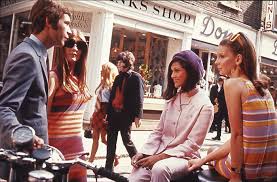
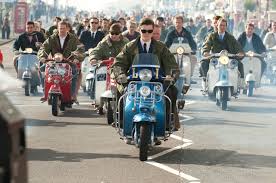
This somewhat group of so called intellectual and elitist mods gave way to the next incarnation of mods, and it's in this second incarnation that the scooter boys on Brighton's beaches can be found! Mod culture, with it's symbols,fashion and music was very much a working class movement. It influenced the masses and infiltrated the high street at every level.
It was all encompassing, and it was very much a product of it's time!
In one of The Daily Mail editions of 1963 it was reported 'to be a mod... is more than a fashion. It is almost a way of life!
&h=2000&w=2000&tbnid=84c_vvw7NjwHPM:&zoom=1&docid=A9DppZfRHJ1gOM&ei=Cev1VKHLC4LymQWmqILABA&tbm=isch&client=safari&ved=0CBgQMygQMBA4ZA)
Mod culture was born from London's west end underground jazz clubs in the late 1950s.
The name "mod" came as a result from their taste in modernist jazz, this early incarnation of mods had very little impact outside of London.
This somewhat group of so called intellectual and elitist mods gave way to the next incarnation of mods, and it's in this second incarnation that the scooter boys on Brighton's beaches can be found! Mod culture, with it's symbols,fashion and music was very much a working class movement. It influenced the masses and infiltrated the high street at every level.
It was all encompassing, and it was very much a product of it's time!
In one of The Daily Mail editions of 1963 it was reported 'to be a mod... is more than a fashion. It is almost a way of life!
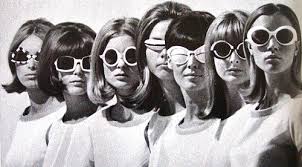
Looking at the mod culture for anyone who likes pop music and pop culture of yesteryear, is a great way to examine the British pop music and youth fashion explosion of the 1960s in general.
Partly as a result of no more military conscription and partly as a result of teenagers having jobs and a little more money to spend!

Popular pop television show, Ready, steady, go! that was televised every friday night was clearly aimed at the the "mod" market!
Fashion boutiques across the country benefitted enormously from this with the programs bands, singers, male and female dancers alike wearing mod fashions and the latest styles and look being
freely advertised. Mod culture was changing the face of british life and challenging politicians who were struggling with the horror of losing cultural control over the youth media with the `onslaught of pirate radio stations such as Radio Caroline and Radio London! Teenagers wanted more air time for their favourite pop groups! The Beatles, The Who, The small faces, The Kinks, The rolling stones ect
And back in the day The BBC only had 1 to 2 hours a day for this massive market!
The British government of the day fought hard and aggressively to close those stations down.
Mod culture brightened up dreary and finically crushed post war Briton and also with the international success of bands like The Beatles opening the flood gates for other Brit pop outfits sending mod culture all over the world!
The British Taxman had a huge mod smile on His or Her face!
Piagio whom make vespa scooters and lambretta scooters the two most popular brands of motor scooters amongst mods also did very nicely out of the mod explosion!
My 1996 PX 200 Vespa is a pleasure to ride! Motor bike riders just don't get it! They still feel the need to ride up along side me and the drag me off! As if i don't know a motor 10 times the size of mine has more power...
But hey.... They can't understand can they? It's a way of life!


